Family handbook · §4
Seizures & Epilepsy
Seizures are the single most-discussed medical topic among families, and the most variable. Some individuals and adults have rare, brief events; others live with several seizure types a day. Most, but not all, people with XLID98 develop epilepsy. This section gathers what families have lived through, followed by what clinicians and researchers said.
Onset and How It Changes Over Time
First seizures can appear at almost any age, and the picture often shifts as an individual grows. Many families describe years of one seizure type before others emerge.
Even with the most severe mutation, epilepsy is a spectrum (for some it never appears, for others it comes much later) because many other genes also influence seizures. Average age of onset isn’t formally tracked yet; the registry aims to capture it.
Seizure Types Families Describe
Families describe myoclonic jerks (sometimes in clusters of 3–5), tonic, tonic-clonic, absence, atonic/drop, and eyelid myoclonia seizures, frequently worse during sleep. Some describe gelastic (laughing) seizures that felt “almost manic,” with the individual conscious but distressed. Several individuals carry overlapping epilepsy-syndrome labels such as Lennox-Gastaut, Jeavons, or a Dravet-like presentation.
Triggers Families Noticed
- Illness often reduced seizures.
- Hormones can be a major theme for females.
- Other reported triggers: temperature shifts, a splash of water, emotional distress, and constipation.
Emergencies and Prolonged Seizures
- Work out an emergency plan with your neurologist, and post it where the individual spends most of their time.
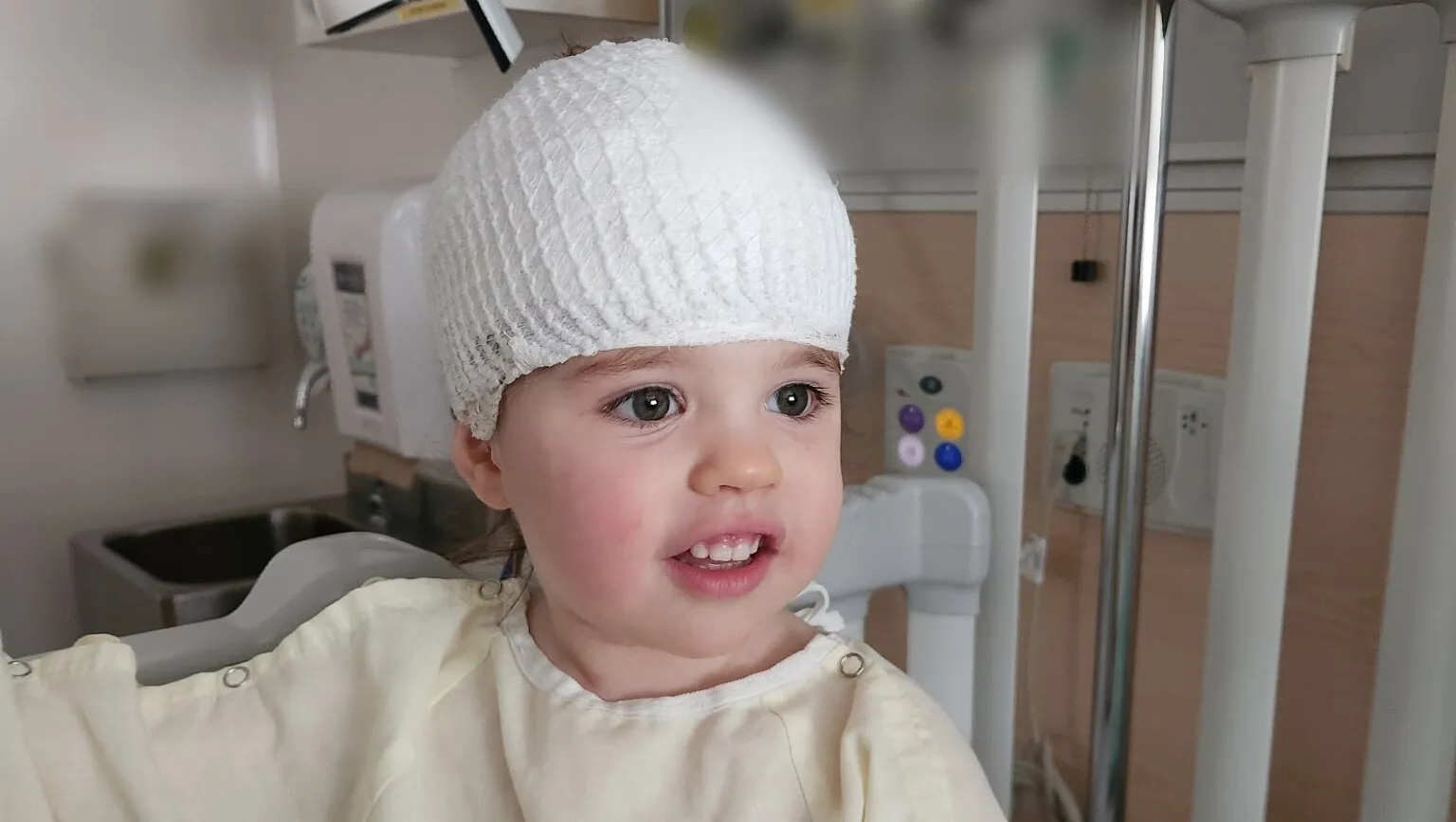
- Nonconvulsive status epilepticus (NCSE) can masquerade as a behaviour or alertness change; it is confirmed through EEG: some via a 24-hour home EEG, some via a 72-hour inpatient stay.
- Neurologists sometimes admit the individual to hospital to regain control.
XLID98 Foundation · https://www.xlid98.org/parent-resources/seizures-and-epilepsy