Family handbook · §7
Therapies & School
Therapy and the right school placement are a huge part of daily life. The biggest lesson: start early, expect slow progress, and keep advocating, while being honest that results vary.
Therapies
- The core mix is physical therapy, occupational therapy, speech therapy, ABA, and feeding therapy. Starting young helps: therapy from as early as 8 months can be beneficial.
- Intensity varies widely: from a few hours a week to intensive daily programs (for example ABA several hours a day alongside school).
- An honest note: for a very severely affected individual, many years of therapy may bring few major gains, yet therapy is still generally worthwhile despite slow progress.
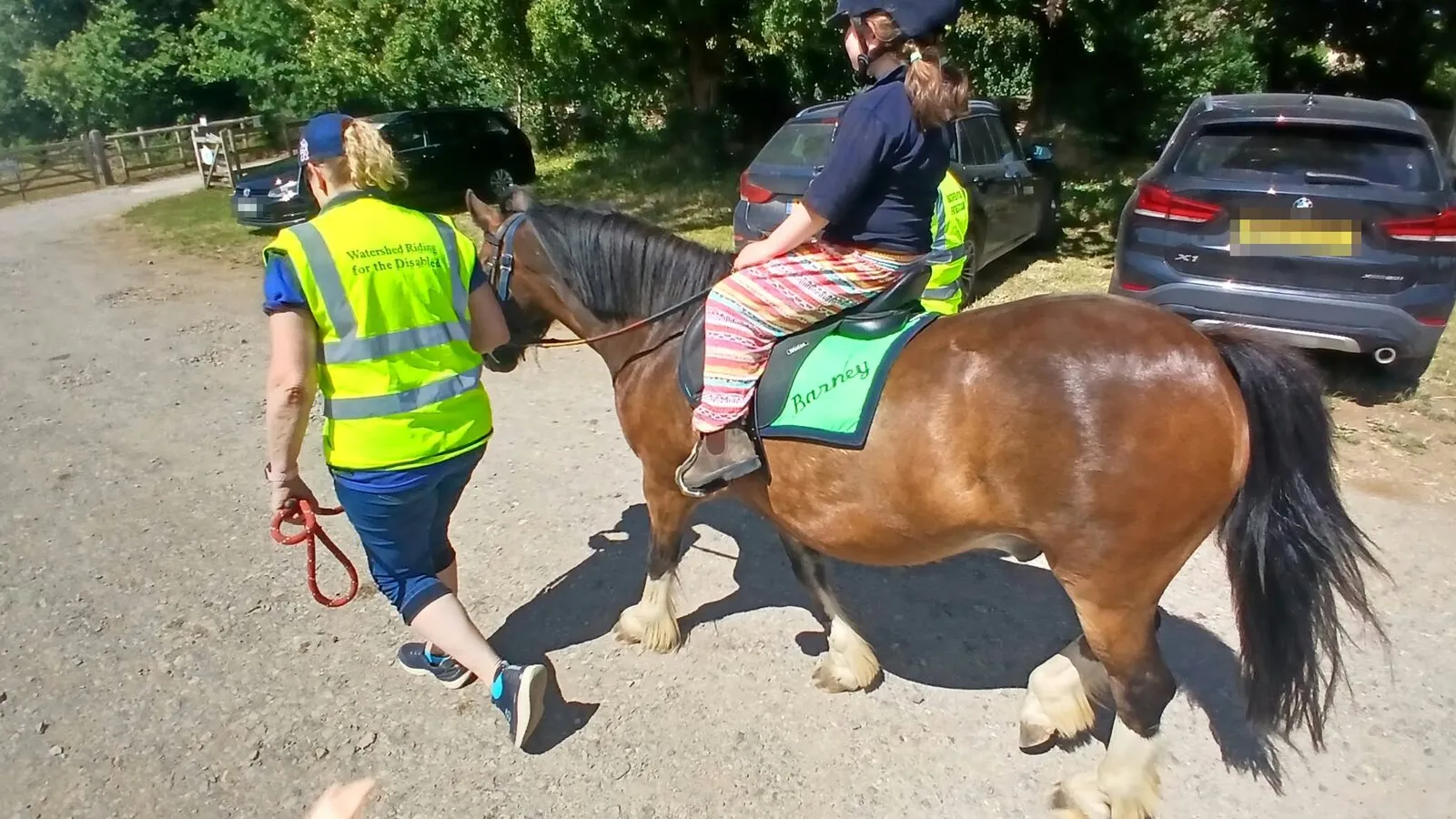
- Movement-based approaches that can help: swimming, horse riding (hippotherapy) for muscle tone, adaptive gymnastics, baseball, and balance practice.
Equipment & Mobility
- Medical strollers and wheelchairs are commonly used (for example the Convaid stroller); a medical stroller can be covered by insurance with a prescription. Self-initiated mobility (manual or power-assisted) can start as early as 18 months.
- A wheelchair in public can help others understand an individual has real medical needs, not “behaviour.”
- The M.O.V.E. international program (Mobility Opportunities Via Experience) can support both mobility and toileting routines.
- AAC communication devices and apps (see Behaviour & Communication) are a key part of many individuals’ “equipment.”
School
- Finding a safe, adequate placement can be hard. A resource room can become a “triage centre” for very high-needs individuals; moving into a mainstream class, where consistency supports emerging interests (such as letters and books), is one option.
- Inclusive education is widely valued. Coordinating information across home, school, and any residential or day care (sometimes via a shared digital care system) keeps everyone aligned.
XLID98 Foundation · https://www.xlid98.org/parent-resources/therapies-and-school